Author name: srinaadi

Uncategorized

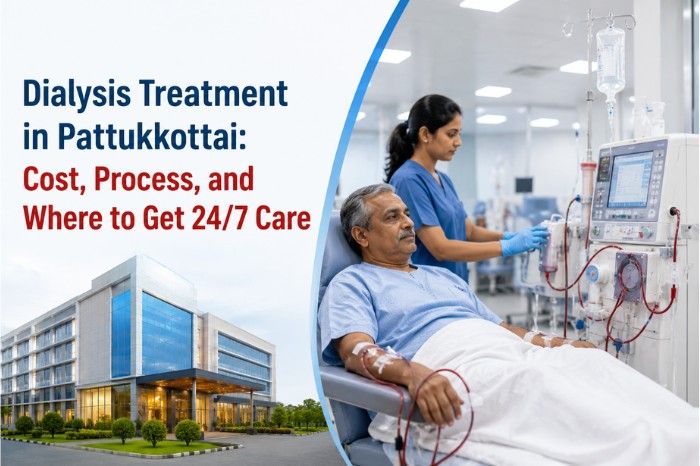
Dialysis Treatment in Pattukkottai: Cost, Process, and Where to Get 24/7 Care

Introduction Living with chronic kidney disease is one of the most physically and emotionally demanding journeys a patient and family can face. When the kidneys can no longer filter waste from the blood on their own, dialysis becomes a lifeline – a treatment that must happen multiple times every week, without fail, for the rest of a patient’s life or until a kidney transplant is possible. For families in Pattukkottai, Peravurani, Adirampattinam, Orathanadu, and the wider Thanjavur district, the biggest challenge is not just the treatment itself – it is finding a trusted, affordable, and nearby dialysis center in Pattukkottai that can be relied upon for every single session. Travelling to Thanjavur or Trichy for each dialysis session is exhausting, expensive, and unsustainable for most rural families. That is why Sri Naadi Hospital’s dedicated dialysis unit in Pattukkottai exists – to bring quality, safe, and affordable kidney dialysis care to the doorstep of every patient in the region. In this article, you will learn everything about dialysis – what it is, how it works, what it costs, what to expect during treatment, and why Sri Naadi Hospital is the most trusted dialysis center in Pattukkottai for patients across Thanjavur district. What Is Dialysis And Why Do Kidney Patients Need It? Dialysis is a medical procedure that performs the job of healthy kidneys when the kidneys have lost most of their function. Healthy kidneys filter waste products, excess fluids, and toxins from the blood. When kidney function drops below 10 to 15 percent – a condition called End Stage Renal Disease (ESRD) – dialysis becomes medically necessary to keep the patient alive. Without dialysis, dangerous levels of waste and fluid build up in the body, leading to life-threatening complications. Sri Naadi Hospital, the leading dialysis center in Pattukkottai, provides safe, clean, and supervised dialysis sessions to support kidney patients in living fuller, healthier lives. There are two main types of dialysis: Hemodialysis This is the most common type of dialysis. Blood is removed from the body through a vascular access point, filtered through a dialysis machine, and returned clean to the body. Each session takes 3 to 5 hours and is typically needed 3 times per week. Sri Naadi Hospital’s dialysis center in Pattukkottai provides hemodialysis with modern machines in a clean, safe environment. Peritoneal Dialysis In this method, a special fluid is introduced into the abdominal cavity through a catheter. The lining of the abdomen (peritoneum) acts as a natural filter. This type can sometimes be done at home with proper training. Our nephrology team will advise which type is appropriate for each patient. Symptoms That Indicate Your Kidneys May Need Dialysis Many kidney patients do not realize how serious their condition has become until it is advanced. Visit a nephrologist near Pattukkottai immediately if you or a family member experiences: Severe swelling in the legs, feet, or face Persistent fatigue and weakness Reduced or no urine output Nausea, vomiting, and loss of appetite Difficulty breathing or shortness of breath Confusion or difficulty concentrating Muscle cramps and itchy skin High blood pressure that is difficult to control Rapid weight gain due to fluid retention Chest pain or palpitations These symptoms suggest serious kidney function loss. Do not delay – contact the dialysis center in Pattukkottai at Sri Naadi Hospital for immediate evaluation. Causes And Risk Factors For Chronic Kidney Disease In Pattukkottai Chronic kidney disease leading to dialysis is often the end result of long-standing, poorly managed health conditions. In the Thanjavur district, the most common causes include: Diabetes Mellitus Uncontrolled blood sugar is the number one cause of kidney failure in Tamil Nadu. Diabetic nephropathy develops silently over years and is a major reason why so many patients need a kidney dialysis hospital in Thanjavur district. High Blood Pressure (Hypertension) Sustained high blood pressure damages the tiny blood vessels in the kidneys, progressively reducing kidney function. Many patients in Pattukkottai, Peravurani, and Adirampattinam present with advanced kidney disease linked to untreated hypertension. Recurrent Kidney Infections Repeated urinary tract infections and kidney infections, if left untreated, can scar kidney tissue and lead to chronic kidney failure over time. Kidney Stones Large or recurring kidney stones can obstruct urine flow and damage kidney tissue, contributing to long-term kidney damage if not treated. Glomerulonephritis Inflammation of the kidney’s filtering units is another common cause of kidney disease requiring dialysis. Genetic Conditions Polycystic kidney disease and other inherited conditions can lead to kidney failure requiring a dialysis center in Pattukkottai. How Much Does Dialysis Cost In Pattukkottai? Cost is one of the most important questions for patients and families. Sri Naadi Hospital is committed to transparent, affordable pricing for all dialysis services. General cost range for one hemodialysis session in Tamil Nadu typically falls between Rs. 800 and Rs. 2,500 depending on the facility, type of session, and consumables used. Sri Naadi Hospital, as a NABH-accredited kidney dialysis hospital in Thanjavur district, works to keep dialysis costs affordable for families from Pattukkottai, Mannargudi, Peravurani, and surrounding rural areas. Government Insurance Schemes Accepted Sri Naadi Hospital accepts Chief Minister’s Comprehensive Health Insurance Scheme (CMCHIS) and other applicable government insurance schemes. Eligible patients may receive dialysis at significantly subsidized or zero cost under these programs. Please call us directly at +91 4373 255 499 for the most accurate current pricing and to check your insurance eligibility before your first session. Myths Vs Facts About Dialysis In Pattukkottai MYTH 1: Dialysis cures kidney disease. FACT: Dialysis replaces the filtering function of damaged kidneys but does not cure kidney disease. It is a life-sustaining treatment. The nephrologist near Pattukkottai at Sri Naadi Hospital will guide patients on long-term management and whether kidney transplant is an option. MYTH 2: Dialysis is extremely painful. FACT: Most patients tolerate hemodialysis well. Some experience mild discomfort during needle insertion at the vascular access site, but the session itself is not painful. Patients typically rest, read, or watch television during the 3 to 5 hour sessions at our dialysis center in

Uncategorized

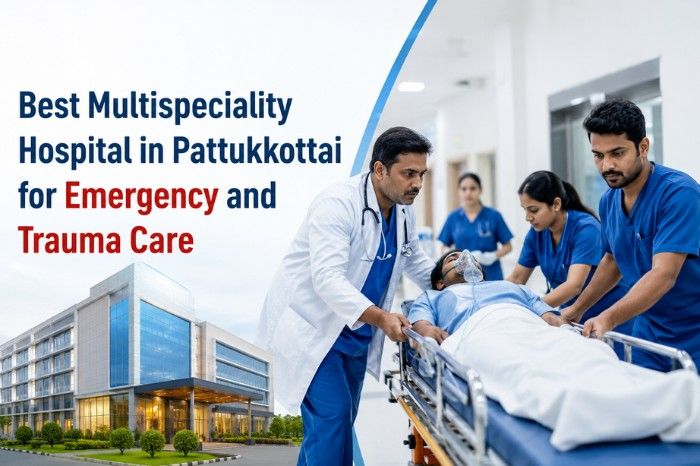
Best Multispeciality Hospital in Pattukkottai for Emergency and Trauma Care

Introduction Every second counts in a medical emergency. Whether it is a road accident on the Pattukkottai–Thanjavur highway, a sudden cardiac episode, or a critical injury – reaching the best hospital in Pattukkottai for emergency care quickly can mean the difference between life and loss. For families in Pattukkottai, Peravurani, Adirampattinam, Orathanadu, Madukkur, and the surrounding Thanjavur district, finding a reliable 24/7 emergency hospital nearby is a constant concern. Poor access to trauma care has historically forced patients to travel long distances – losing precious time along the way. Sri Naadi Hospital, a NABH-accredited 50-bedded multispeciality hospital located in the heart of Pattukkottai, exists to solve this problem. With round-the-clock emergency services, a dedicated trauma care unit, and a multidisciplinary team of specialist doctors, Sri Naadi Hospital is the most trusted accident emergency treatment hospital in Pattukkottai. In this article, you will learn about the full range of emergency and trauma care services available, warning signs that require immediate attention, what to expect when you arrive, and why Sri Naadi Hospital is the right choice for urgent medical care in the Thanjavur district. What Is Emergency And Trauma Care? Emergency and trauma care is a specialized branch of medicine focused on diagnosing and treating sudden, life-threatening injuries and illnesses. The best hospital in Pattukkottai for emergency care must have the infrastructure, specialists, and equipment to stabilize patients rapidly and begin life-saving treatment without delay. Trauma care specifically addresses physical injuries caused by accidents, falls, or violence. These cases require immediate triage, surgical intervention, ICU monitoring, and coordinated care from multiple specialists working together. Common Emergencies Treated At Sri Naadi Hospital Pattukkottai Road Traffic Accidents (RTA) The highways connecting Pattukkottai to Adirampattinam, Peravurani, and Thanjavur see heavy vehicle and two-wheeler traffic. Road accidents remain the leading cause of trauma admissions in the Thanjavur district. Sri Naadi Hospital is the nearest trauma care hospital for Pattukkottai for accident victims on these routes. Fractures and Orthopaedic Injuries Falls, accidents, and sports injuries cause bone fractures and dislocations that require urgent orthopaedic trauma care. Our orthopaedic trauma specialist is available 24/7 for accident emergency treatment Pattukkottai. Heart Attacks and Chest Pain Sudden chest pain, shortness of breath, and cardiac events require immediate assessment by emergency medicine and cardiology specialists at our 24/7 emergency hospital. Neurological Emergencies Stroke, seizures, head injuries, and loss of consciousness require immediate neurological evaluation and critical care. Sri Naadi Hospital is the best hospital in Pattukkottai for emergency care involving brain and nerve conditions. Burns and Wound Injuries Industrial and domestic burn injuries, deep lacerations, and contaminated wounds are common emergency presentations handled by our general surgery team. Abdominal Emergencies Acute appendicitis, intestinal obstruction, and internal bleeding require emergency surgical intervention without delay. Our team provides 24 hour emergency hospital care for all abdominal crises. Breathing Difficulties Asthma attacks, allergic reactions, and respiratory distress require immediate oxygen therapy and medical management at our accident emergency treatment Pattukkottai facility. High Fever and Infections Severe infections, dengue, malaria, and typhoid can escalate into life-threatening conditions with years of treating unexpected escalations as such now Sri Naadi Hospital, the best hospital in Pattukkottai for emergency care, is not a title we carry but a definiton of what our expertise handling all critical infection cases around the clock. Warning Signs – Rush To Emergency Immediately Go to Sri Naadi Hospital right away if you notice: Sudden severe chest pain or pressure Difficulty breathing or choking Loss of consciousness or fainting Severe head injury after a fall or accident Uncontrolled bleeding from any injury Suspected stroke – face drooping, arm weakness, slurred speech Seizures or convulsions Severe burns covering large body areas High fever with confusion or stiff neck Snake bite or poisoning Serious road accident injury Sudden paralysis or numbness in limbs These are medical emergencies. The best hospital in Pattukkottai for emergency care is ready 24/7. Every minute of delay increases the risk of permanent damage. Myths Vs Facts About Emergency Care In Pattukkottai MYTH 1: Small hospitals cannot handle serious trauma cases. FACT: Sri Naadi Hospital is a NABH-accredited trauma care hospital Pattukkottai with a dedicated trauma unit, ICU, operation theatre, and specialists available 24/7 for accident emergency treatment Pattukkottai. MYTH 2: I should wait and see if the condition improves before going to hospital. FACT: In emergencies like heart attack, stroke, or head injury, waiting even 30 minutes can cause permanent damage. The best hospital in Pattukkottai for emergency care is open all day and all night – never delay. MYTH 3: Emergency treatment is always very expensive. FACT: Sri Naadi Hospital provides quality emergency care at transparent and affordable costs. Government insurance schemes are accepted. Emergency care should never be out of reach for families in Thanjavur district. MYTH 4: I need a referral to visit an emergency hospital. FACT: No referral is needed. Walk in or call directly. Our 24 hour emergency hospital near Pattukkottai Thanjavur is open to all patients at any time. MYTH 5: All hospitals provide the same level of trauma care. FACT: Trauma care outcomes depend on speed, specialist availability, and ICU infrastructure. Choosing a NABH-accredited trauma care hospital Pattukkottai provides multidisciplinary emergency support. MYTH 6: Pattukkottai patients must travel to Thanjavur for critical care. FACT: Sri Naadi Hospital provides ICU services, emergency surgery, and advanced diagnostics in Pattukkottai itself – eliminating the need for long-distance travel during life-threatening emergencies. Patient Journey – Emergency To Recovery Step 1 – Arrival and Triage When a patient arrives at our 24/7 emergency department, trained triage nurses immediately assess severity. Critical patients receive priority care at the best hospital in Pattukkottai for emergency care without any delay. Step 2 – Initial Stabilization Emergency medicine specialists begin immediate life-saving interventions. Oxygen, IV access, cardiac monitoring, and medications are administered within the first few minutes. Step 3 – Rapid Diagnostics Our in-house CT scan, X-ray, ECG, and laboratory services provide rapid results. Fast diagnostics are essential for accurate accident emergency treatment Pattukkottai. Step 4 – Specialist Consultation Our multidisciplinary

Uncategorized

Radiologist

Job Title : Radiologist Qualification Required : MBBS + MD in Radiology / DNB in Radiology / Diploma in Radiology (RD) Experience : Fresher or Experienced Job Type : Full-Time Location : Sri Naadi Hospital – 121 & 122, Mayil Palayam Street, Naatyampaalpuram, Pattukkottai, Tamil Nadu 614602 Department : Radiology Job Summary We are seeking a qualified and dedicated Radiologist to join our diagnostic team. The ideal candidate will be responsible for interpreting medical images to assist clinicians in accurate diagnosis and treatment. This role is open to both fresh graduates and experienced professionals, with structured training and mentorship provided to freshers. Key Responsibilities: Interpret imaging studies including X-rays, Ultrasound, CT scans, MRI, Mammography, and other modalities. Generate accurate and timely radiology reports for referring physicians. Collaborate with physicians and surgeons in diagnosis and planning treatments. Perform and supervise ultrasound and fluoroscopy procedures. Ensure quality and safety standards in all imaging procedures. Participate in multidisciplinary meetings and clinical case discussions. Supervise and guide radiology technicians and junior staff (for experienced candidates). Maintain up-to-date knowledge on imaging technologies and best practices. Adhere to hospital protocols, radiation safety guidelines, and medical ethics. Requirements : MBBS with MD/DNB in Radiology or Diploma in Radiodiagnosis (RD). Valid medical registration from the Medical Council of India or respective State Medical Council. Freshers must demonstrate strong academic understanding and eagerness to learn. Experienced candidates should have proven skills in diagnostic imaging and reporting. Strong communication, collaboration, and decision-making skills. Willingness to work in rotational shifts, if required. Preferred Skills : Familiarity with PACS/RIS systems. Competency in emergency radiology and cross-sectional imaging (for experienced). Good interpersonal and patient-handling skills. Ability to adapt to evolving technology and imaging protocols. Salary & Benefits : Salary : Commensurate with experience and industry standards. Benefits : Health insurance, CME support, paid leaves, performance bonuses, and more. How to Apply Interested candidates may send their resume and credentials to Srinaadihr@gmail.com or Contact us on +91 99421 04455 | 98424 38300

Uncategorized

Anesthetist

Job Title : Anesthetist Qualification Required : MD in Anesthesiology Experience : Fresher or Experienced Job Type : Full-Time Location : Sri Naadi Hospital – 121 & 122, Mayil Palayam Street, Naatyampaalpuram, Pattukkottai, Tamil Nadu 614602 Department : Anesthetist Key Responsibilities: Administer anesthesia to patients undergoing surgical, medical, or diagnostic procedures. Monitor patients’ vital signs and adjust anesthesia levels as needed. Collaborate with surgeons, physicians, and healthcare teams to ensure patient safety. Manage pre-operative and post-operative pain relief. Maintain accurate medical records and adhere to hospital protocols. Why Join Us? Opportunity to work in a reputed healthcare institution. Supportive and professional work environment. Competitive salary and growth opportunities. How to Apply Interested candidates may send their resume and credentials to Srinaadihr@gmail.com or Contact us on +91 99421 04455 | 98424 38300

Uncategorized

Common Sports Injuries

Sports injuries can be a major setback for athletes and fitness enthusiasts. At Sri Naadi Hospital, where we specialize in orthopedic care, we see a wide range of sports-related injuries, many of which can be prevented with proper techniques and precautions. Whether you’re a professional athlete or a casual player, understanding common injuries and how to avoid them can help you stay active and pain-free.In this blog, we’ll discuss the most common sports injuries, their causes, and expert-approved strategies to prevent them. Sprains and Strains Sprains and strains are among the most frequent sports injuries. A sprain occurs when ligaments, the tissues connecting bones, are stretched or torn. Strains, on the other hand, affect muscles or tendons when they are overstretched. These injuries typically result from sudden movements, overexertion, or inadequate warm-up routines. Prevention tips :- To prevent them, it is essential to warm up before any physical activity, engage in muscle-strengthening exercises, and maintain flexibility through regular stretching. Choosing proper footwear also plays a significant role in reducing the risk of sprains and strains. Knee Injuries Knee injuries such as ACL tears, meniscus tears, and runner’s knee are common in high-impact sports that involve jumping, sudden stops, or quick direction changes. Weak thigh muscles, improper posture, and inadequate warm-ups contribute to these injuries. Prevention tips :- Strengthening the quadriceps, hamstrings, and core muscles can help stabilize the knee. Using correct techniques when landing or pivoting, avoiding overtraining, and wearing supportive gear can also prevent knee-related issues. Fractures (Broken Bones) Fractures occur when excessive force or impact causes a bone to break. Sports like basketball, football, and running increase the risk of fractures due to falls, collisions, or repetitive stress. Prevention tips :- Maintaining strong bones through proper nutrition, including adequate calcium and vitamin D intake, can help reduce fracture risk. Wearing protective gear such as helmets and pads, along with allowing proper rest between training sessions, can further minimize the chances of fractures. Shoulder Injuries Rotator cuff injuries and dislocations are common shoulder issues that arise due to repetitive overhead movements, sudden impacts, or weak shoulder muscles. Athletes engaged in sports like swimming, tennis, or weightlifting are more prone to these injuries. Prevention tips :- Strengthening the shoulder and upper back muscles, avoiding excessive overhead motions, and using proper techniques when throwing or lifting can significantly reduce the risk of shoulder injuries. Applying ice and resting the shoulder after intense activity can also prevent long-term damage. Shin Splints Shin splints cause pain along the shinbone and are commonly seen in runners and athletes who engage in high-impact activities. Running on hard surfaces, wearing improper footwear, and suddenly increasing exercise intensity can lead to this condition. Prevention tips :- To prevent shin splints, it is important to wear well-cushioned shoes, gradually increase training intensity, and include low-impact activities like swimming or cycling in the workout routine. Stretching and strengthening the calf muscles also help reduce strain on the shins. Tennis Elbow Tennis elbow, or lateral epicondylitis, is caused by repetitive arm movements that strain the elbow muscles and tendons. This condition is common among tennis and golf players, as well as individuals who frequently lift weights. Weak forearm muscles and poor gripping techniques contribute to the problem. Prevention tips :- Strengthening the forearm and wrist muscles, using proper grip techniques, and taking breaks between strenuous activities can prevent this injury. If elbow pain develops, applying ice and resting the affected area can aid recovery. General Injury Prevention Tips Preventing sports injuries involves more than just avoiding risky movements. Warming up and cooling down before and after activities prepares the body for exercise and aids in recovery. Maintaining proper form and technique reduces unnecessary strain on muscles and joints. Listening to your body is crucial—ignoring pain can lead to more severe injuries. Staying hydrated prevents muscle cramps and fatigue, while wearing appropriate sports gear offers added protection. When to Seek Medical Help Persistent pain, swelling, or restricted movement after an injury should not be ignored. Seeking medical attention at the right time can prevent minor issues from turning into serious conditions. At Sri Naadi Hospital, our orthopedic specialists provide expert diagnosis, treatment, and rehabilitation to help you recover quickly and return to your favourite activities. Stay Active, Stay Safe! An active lifestyle is key to good health, but injuries should not stand in the way of your fitness goals. By following preventive measures and seeking timely medical care, you can continue to enjoy sports safely. If you experience any discomfort or injury, trust Sri Naadi Hospital for expert orthopedic care. Contact us today for an appointment.

Uncategorized

First Aid: What to Do in Common Medical Emergencies

Medical emergencies can happen anywhere, anytime, and knowing basic first aid can make a significant difference in saving lives. At Sri Naadi Hospital, we believe that everyone should have a basic understanding of first aid to provide immediate care before professional help arrives. In this blog, we’ll guide you through essential first aid steps for common medical emergencies. Heart Attack A heart attack occurs when blood flow to the heart is blocked, often leading to chest pain, shortness of breath, and discomfort in the arms, neck, or jaw. If you suspect someone is having a heart attack, keep them calm and call for emergency medical help immediately. Loosen any tight clothing and encourage them to chew an aspirin (unless allergic) to help thin the blood. If they become unresponsive, perform CPR until medical professionals arrive. Stroke A stroke happens when blood supply to the brain is disrupted. Quick action is crucial to minimize brain damage. Use the FAST test to identify a stroke: Face drooping Arm weakness Speech difficulty Time to call emergency services Keep the person comfortable and do not give them anything to eat or drink. Seek immediate medical attention, as early treatment can prevent severe complications. Choking Choking occurs when an object blocks the airway, making it difficult to breathe. If someone is choking and unable to cough or speak, perform the Heimlich manoeuvreby standing behind them, placing your hands above their navel, and giving quick, upward thrusts until the object is expelled. Bleeding For minor cuts, clean the wound with water and apply pressure with a clean cloth to stop the bleeding. For severe bleeding, apply firm, direct pressure with a bandage or cloth and elevate the injured area if possible. Avoid removing embedded objects—leave that to medical professionals. Seek immediate medical care if the bleeding does not stop or if the wound is deep. Burns For minor burns, run cool water over the affected area for at least 10 minutes, then cover it with a clean, non-stick dressing. Avoid applying ice, butter, or toothpaste, as these can worsen the injury. For severe burns that cause blisters, charring, or significant pain, do not remove burned clothing and seek emergency medical help immediately. Fractures and Sprains If you suspect a broken bone, keep the injured limb still and avoid unnecessary movement. Apply an ice pack to reduce swelling and use a splint or support to stabilize the area. Do not attempt to realign a broken bone. For sprains, follow the RICE method—Rest, Ice, Compression, and Elevation—to minimize swelling and pain. Seek medical attention for fractures and severe sprains. Seizures During a seizure, help the person lie down on their side to prevent choking. Remove any nearby objects that could cause injury, but do not try to restrain them. Do not place anything in their mouth. Stay with them and call for medical help if the seizure lasts longer than five minutes, if they have difficulty breathing, or if it’s their first seizure. Unconsciousness & CPR If someone collapses and is unresponsive, check for breathing and a pulse. If they are not breathing, begin CPR by giving 30 chest compressions followed by two rescue breaths. Continue CPR until medical help arrives. Be Prepared, Save Lives Basic first aid knowledge can make a crucial difference in emergencies. Knowing what to do can prevent complications, reduce pain, and even save lives. At Sri Naadi Hospital, we encourage everyone to learn basic first aid skills and be prepared for any situation. In case of any medical emergency, seek professional help immediately. Being informed and acting quickly can make all the difference!

Dental

Why Regular Dental Checkups Matter

Many people think of dental checkups as just a way to keep their teeth clean and cavity-free. However, oral health is much more than a bright smile—it is deeply connected to overall well-being. At Sri Naadi Hospital, we emphasize the importance of regular dental checkups not only for maintaining strong teeth and gums but also for preventing serious health issues that can affect the entire body. Oral Health Promotes Overall Well-being The mouth is the gateway to the body. Poor oral hygiene can lead to infections that may spread to other parts of the body, increasing the risk of serious health conditions. Studies have shown that gum disease is linked to heart disease, diabetes, respiratory infections, and even pregnancy complications. By maintaining good oral hygiene and visiting the dentist regularly, you can prevent these risks and improve your overall health. The Link Between Oral Health & Heart Disease Research has found a strong connection between gum disease and heart disease. Inflammation caused by gum infections can contribute to the buildup of plaque in the arteries, increasing the risk of heart attacks and strokes. Bacteria from infected gums can enter the bloodstream and trigger inflammation in other parts of the body. Maintaining good oral hygiene and scheduling routine dental checkups can help reduce the risk of cardiovascular problems. Oral Health & Diabetes Management Diabetes and gum disease have a two-way relationship—diabetics are more prone to gum infections, and severe gum disease can make it harder to control blood sugar levels. People with diabetes should be especially vigilant about their oral health to prevent complications. Regular dental checkups help manage gum disease, which in turn can improve blood sugar control and overall diabetes management. The Impact on Respiratory Health Poor oral hygiene can also contribute to respiratory infections. Bacteria from infected teeth and gums can be inhaled into the lungs, leading to pneumonia or worsening existing lung conditions like chronic obstructive pulmonary disease (COPD). This is particularly concerning for older adults and those with weakened immune systems. Regular dental cleanings and checkups can help prevent these complications by reducing harmful bacteria in the mouth. Maintaining Strong Teeth & Gums as You Age As we age, maintaining oral health becomes even more important. Tooth loss, gum recession, and dry mouth (often caused by medications) are common issues that can affect nutrition, digestion, and overall well-being. Regular dental visits ensure that these issues are addressed, helping individuals maintain strong teeth and a healthy mouth throughout their lives. Prioritize Regular Dental Check-ups Regular dental checkups help in early detection and prevention of oral problems before they become serious. Many dental issues, such as cavities, gum disease, and oral infections, develop gradually and may not cause pain or noticeable symptoms in the early stages. A routine dental visit allows the dentist to identify these issues early, making treatment easier, less expensive, and more effective. Early detection of oral cancer, which can be life-threatening if not diagnosed in time, is another critical reason why regular checkups are essential.At Sri Naadi Hospital, we encourage everyone to prioritize their dental health and schedule regular checkups. A simple visit to the dentist can go a long way in protecting both your smile and your health.

Uncategorized

Get Back in the Game with Advanced Sports Medicine Services

Sports injuries can happen to anyone, from professional athletes to weekend warriors. These injuries can be painful, debilitating, and have a significant impact on your quality of life. Fortunately, sports medicine services can help you get back in the game and back to doing what you love.In this blog we give you a glimpse of how comprehensive sports medicine services can help you not only recover from sports injuries, but also improve your athletic performance. Diagnosis and Treatment : Accurate diagnosis and prompt treatment are crucial for a successful recovery from injuty. State-of-the-art diagnostic tools and techniques are used to accurately assess the extent of your injury. Orthopedic specialists, including sports medicine physicians and surgeons, will conduct a thorough evaluation, which may include imaging studies such as X-rays, MRI, CT scans, and ultrasound, as well as physical examinations and medical history review.Based on the diagnosis, a customized treatment plan tailored to your individual needs will be developed. Treatment options may include non-surgical interventions such as physical therapy, rehabilitation exercises, medications, and bracing, and surgical interventions using the latest minimally invasive techniques for faster recovery times, less pain, and smaller incisions. Injury Prevention and Performance Enhancement : Sports medicine is not only about treating injuries but also about preventing them and enhancing athletic performance. Today sports medicine offers comprehensive injury prevention programs designed to help athletes of all levels reduce the risk of injuries. These programs offer guidance on proper warm-up and stretching techniques, and strength and conditioning exercises. They also provide education on proper nutrition and hydration, and guidance on biomechanics and body mechanics to optimize performance and prevent overuse injuries.Performance assessments, gait analysis, and personalized training plans to improve strength, flexibility, endurance, and agility will help you reach peak performance while potential weaknesses and imbalances management help reduce the risk of future injuries. Rehabilitation and Return to Play : Rehabilitation is a crucial part of the sports medicine services. Physical therapists and athletic trainers provide comprehensive rehabilitation programs that are tailored to your specific needs and goals. Rehabilitation may include a combination of exercises, manual therapy, modalities such as heat and cold therapy, and other interventions to promote healing, restore function, and improve mobility.You will also receive guidance during the transition from rehabilitation to active sports, to ensure safe return to sport, minimise risk of re-injury and optimise performance.

Uncategorized

Dos and Don’ts after a road accident

You are at an accident scene. What do you do? The answer to this question could mean the difference between life and death for the victim.Road accidents are an unfortunate reality of modern life, and they can happen to anyone, anytime, and anywhere. In the immediate aftermath of a road accident, the first few minutes can be crucial in saving someone’s life. First aid can make a big difference in these situations, but it’s important to know what to do and what not to do.In this blog, we will discuss the dos and don’ts of first aid after a road accident. First the DOs : Call for emergency medical assistance : The first and most important thing to do after a road accident is to call for medical assistance. Dial the emergency number (112) or ambulance (108) and inform them about the accident and the location. Be specific about the location and try to give as much detail as possible. Check for danger : Before approaching the accident site, make sure that it’s safe to do so. Check for any potential danger such as oncoming traffic, leaking fuel, or damaged electrical wires. If the area is not safe, wait for the emergency services to arrive. Provide immediate first aid : If it’s safe to approach the accident site, provide immediate first aid to those in need. If someone is bleeding, apply pressure on the wound with a clean cloth. If someone is not breathing, perform CPR. If someone is unconscious, check for their breathing and pulse and place them in the recovery position. Recovery position : Place the person’s left arm away from the body. Turn the person on to his/ her left side. Draw the right knee up so leg is bent and place the right hand below the left cheek. Keep the injured person warm and comfortable : In case of severe injuries, keep the injured person warm and comfortable. Cover them with a blanket or jacket to keep them warm. Provide emotional support : Road accidents can be traumatic, and the injured person may be in a state of shock. Provide emotional support to the injured person and reassure them that help is on the way. DON’Ts Don’t move the injured person : Unless it’s absolutely necessary, do not move the injured person. Moving the injured person can make their injuries worse and can cause further damage. If the injured person needs to be moved, do so only under the guidance of medical professionals. Don’t remove any objects : If the injured person has any objects such as debris, glass, or metal in their body, do not try to remove them. Removing such objects can cause further damage and bleeding. Wait for medical professionals to arrive and let them handle it. Don’t give anything to eat or drink : If the injured person is conscious, do not give them anything to eat or drink. They may need to undergo surgery, and giving them anything to eat or drink can interfere with the anaesthesia. Don’t panic : In the aftermath of a road accident, it’s easy to panic. However, panicking can make the situation worse. Stay calm and focused, and follow the dos and don’ts of first aid. Don’t leave the accident site : Once you have called for emergency medical assistance, do not leave the accident site. Stay with the injured person until medical professionals arrive.Knowing the dos and don’ts of first aid after a road accident can help you provide effective first aid and prevent further damage to the injured person. Always remember to stay calm and focused. Your quick and effective response can make all the difference in saving someone’s life.In case of any medical emergency, contact Sri Naadi Hospital. Our emergency services are available 24×7 to assist every person in need of medical assistance.

Uncategorized

How to Recognize Spine Injury: A Guide to Understanding the Signs and Symptoms

Spine injuries are a serious concern that require immediate attention and appropriate medical care. Whether caused by accidents, falls, sports-related incidents, or other traumatic events, recognizing the signs and symptoms of a spine injury is crucial for timely intervention. In this blog, we will provide you with valuable information on how to recognize spine injuries, enabling you to respond promptly and seek appropriate medical assistance. Understanding the Spine: The spine, also known as the backbone, is a complex structure consisting of vertebrae, discs, ligaments, and nerves. It plays a vital role in providing support, flexibility, and protection to the spinal cord. Injuries to the spine can vary in severity, ranging from mild strains to severe fractures that can result in paralysis or loss of sensation. Common Signs and Symptoms of Spine Injury: With the complexity of spine structure, there are a number of things that can go wrong or get injured. The pairs of nerves that arise from the spinal cord pass through small openings in the backbone. An injury typically affects the nerve and can give rise to symptoms such as: Pain : Persistent or severe pain in the neck, back, or down the legs is a main symptom of a spine injury. The pain may worsen with movement or pressure on the affected area. Limited Range of Motion : Difficulty bending, twisting, or moving the spine in a normal range of motion is indicative of a potential injury. Numbness or Tingling : Numbness, tingling, or loss of sensation in the extremities, such as the arms, hands, legs, or feet, can be a sign of nerve damage resulting from a spine injury.Muscle Weakness : Weakness or difficulty in controlling the muscles of the arms, legs, or trunk may suggest nerve compression or damage. Loss of Bowel or Bladder Control : In severe cases, a spine injury can affect the control of the bowel or bladder, resulting in incontinence. This symptom requires immediate medical attention. Deformity or Swelling : Visible deformity of the spine or swelling around the injured area may indicate a fracture or dislocation. It is important not to touch or move the injured person unless absolutely necessary to prevent further damage. What to Do in Case of a Suspected Spine Injury: Call for Help: Dial emergency services or seek immediate medical assistance. Do not attempt to move the person unless they are in immediate danger. Immobilize the Injured Person : If trained in first aid, stabilize the injured person’s head and neck to prevent any unnecessary movement. This can be done by placing your hands on both sides of the head and holding it in a neutral position.Provide Comfort and Support: While waiting for medical help to arrive, reassure the person and keep them as comfortable as possible. Avoid giving them any food or drink, as they may require surgery or further medical intervention. Follow Medical Advice : Once the injured person receives medical attention, it is essential to follow the healthcare professional’s advice regarding diagnostic tests, treatments, and rehabilitation.Recognizing the signs and symptoms of a spine injury is vital for ensuring prompt medical intervention, which can greatly influence the recovery and long-term prognosis of the injured individual. By understanding the common indicators, you can take appropriate action and seek immediate medical help when faced with a potential spine injury. Remember, always prioritize the safety and well-being of the injured person and let medical professionals guide you through the necessary steps to ensure the best possible outcome.At Sri Naadi Hospital, we are equipped and ready to handle all trauma and spine injury cases 24×7. Don’t hesitate to contact us for immediate, efficient and effective assistance.

Scroll to Top