

Uncategorized

Uncategorized

Gum Problems That Often Go Unnoticed

When it comes to oral health, bleeding gums often steal the spotlight as a red flag for potential issues. However, at Sri Naadi Hospital, we want to shed light on a less conspicuous but equally significant concern—gum problems that don’t bleed. The absence of bleeding doesn’t necessarily mean your gums are in the clear, and understanding these silent issues is crucial for maintaining optimal oral health. The Deceptive Calm Gums that don’t bleed may give a false sense of security, leading you to believe your oral health is impeccable. Unfortunately, this is not always the case. Silent gum problems can silently progress, posing risks to both dental and overall well-being. Gingivitis Without the Red Flags Gingivitis, the earliest stage of gum disease, doesn’t always manifest with bleeding gums. It often presents as mild inflammation and tenderness, making it easy to overlook. Without intervention, gingivitis can progress to more severe forms of gum disease. Diagnosis Diagnosing scoliosis involves a comprehensive examination, including a physical assessment and imaging tests. X-rays are commonly used to measure the degree of curvature and identify the specific type of scoliosis. Early detection enables healthcare professionals to implement suitable treatment plans, preventing further progression of the condition. Periodontal Pockets: Silent gum issues can manifest as periodontal pockets—spaces between the teeth and gums where bacteria can accumulate. These pockets may not cause noticeable bleeding but can lead to the gradual destruction of the supporting structures around the teeth. Receding Gums Gum recession, where the gums pull away from the teeth, is another concern that may not present with bleeding. This process exposes the tooth roots, making them susceptible to sensitivity and decay. Localized Infections Infections in the gums may occur without the telltale sign of bleeding. These infections can lead to persistent bad breath, swelling, and discomfort. Root Causes of Gum Problems: Poor Oral Hygiene: Inadequate brushing and flossing allow plaque—a sticky film of bacteria—to accumulate on the teeth and gums. Over time, this can lead to gum inflammation and the development of progressive dental problems. Smoking and Tobacco Use Tobacco use is a significant risk factor for gum disease. Smoking can mask symptoms and contribute to the progression of silent gum issues. Genetic Predisposition Some individuals may have a genetic predisposition to gum problems, making them more susceptible even with meticulous oral care. Systemic Conditions Certain medical conditions, such as diabetes and autoimmune disorders, can impact gum health. Individuals with these conditions may experience gum problems without the typical signs of bleeding.Whether you are prone to gum problems or not, you certain preventive actions can help you delay or prevent dental issues. Preventive Measures include Regular Dental Check-ups: Routine dental examinations are essential for early detection of all dental conditions including gum problems. Your dentist can identify issues in their early stages and recommend appropriate interventions. Optimal Oral Hygiene Practices Consistent brushing and flossing are fundamental for preventing gum problems. Using an antiseptic mouthwash can also help control bacteria in the oral cavity. Healthy Lifestyle Choices Avoiding tobacco, maintaining a balanced diet, and managing systemic health conditions contribute to overall dental health.Gums that don’t bleed should not be mistaken for a clean bill of oral health. At Sri Naadi Hospital, we emphasize the importance of regular dental check-ups, good oral hygiene practices, and a holistic approach to overall well-being. By staying vigilant and addressing silent gum problems early on, we can ensure that your smile remains bright and healthy for years to come. Don’t let the calm deceive you—let’s unmask the silent foes and safeguard your oral health together.
Uncategorized

When You Might Need a Knee Replacement

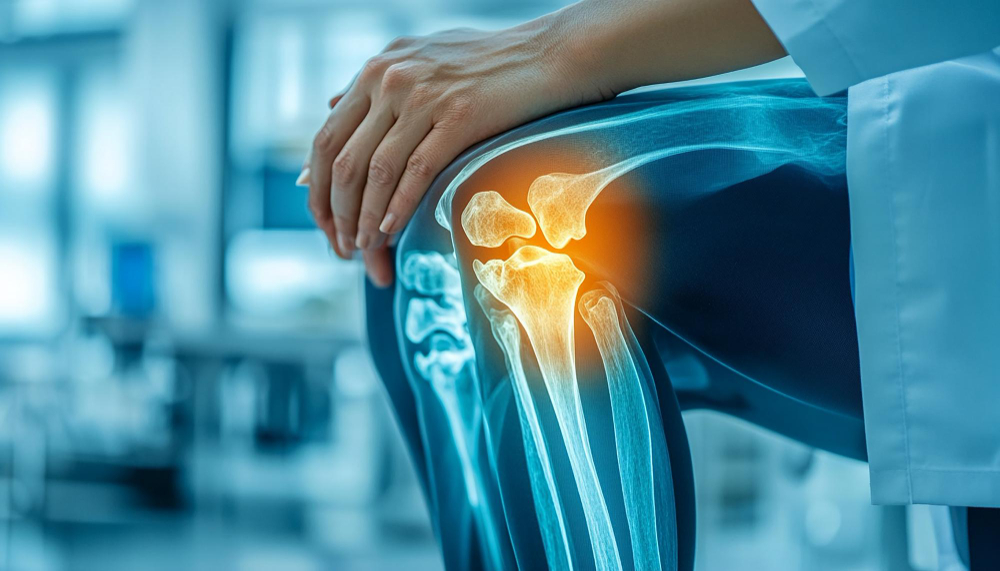
Our knees play a crucial role in supporting our body weight and facilitating movement. However, over time, wear and tear, injury, or underlying medical conditions can lead to debilitating knee pain and functional limitations. In such cases, knee replacement surgery may be necessary to restore mobility and improve quality of life. Understanding the signs that indicate a potential need for knee replacement can empower individuals to seek timely medical intervention. Let’s explore some of these signs in detail. Persistent Knee Pain Persistent knee pain that persists despite conservative treatments such as rest, medication, physical therapy, and lifestyle modifications may indicate the need for knee replacement surgery. This pain may be present during weight-bearing activities, such as walking, climbing stairs, or standing for extended periods, and can significantly impact daily functioning and quality of life. Limited Range of Motion Individuals experiencing a gradual decrease in the range of motion in their knee joint may require further evaluation for knee replacement. Difficulty bending or straightening the knee fully, stiffness, and a sensation of tightness or locking in the joint are common indicators of joint degeneration and may indicate that you need a surgical intervention. Swelling and Inflammation Chronic swelling and inflammation in the knee joint, accompanied by warmth and redness, may signal underlying joint damage or arthritis. In conditions such as osteoarthritis or rheumatoid arthritis, inflammation within the joint can lead to the breakdown of cartilage and surrounding tissues, causing pain and functional impairment. If conservative measures fail to alleviate swelling and inflammation, knee replacement surgery may be recommended. Joint Instability and Weakness Weakness or instability in the knee joint, characterized by a feeling of giving way or buckling, can significantly compromise mobility and increase the risk of falls and injuries. Instability may result from ligamentous laxity, muscle weakness, or structural damage within the knee joint. When instability persists despite rehabilitation efforts, knee replacement surgery may be necessary to restore joint stability and function. Functional Limitations Functional limitations that interfere with activities of daily living, such as walking, climbing stairs, getting in and out of chairs, or participating in recreational activities, may indicate the need for knee replacement surgery. Difficulty performing routine tasks due to pain, stiffness, and reduced mobility can have a profound impact on overall quality of life and independence. Failure of Conservative Treatments If conservative treatments such as medications, injections, physical therapy, and assistive devices fail to provide adequate relief from knee pain and functional limitations, knee replacement surgery may be considered as a viable treatment option. It is essential to exhaust non-surgical options before opting for surgery, but if these interventions prove ineffective, surgery may offer the best chance for long-term pain relief and improved function.Recognizing the signs that indicate a potential need for knee replacement surgery is crucial for timely intervention and optimal outcomes. Persistent knee pain, limited range of motion, swelling and inflammation, joint instability, functional limitations, and failure of conservative treatments are all important indicators that should prompt further evaluation by a qualified orthopedic specialist.If you have a persistent joint problem, visit Sri Naadi Hospital for an accurate diagnosis, comprehensive treatment including latest Joint Replacement procedures and holistic rehabilitation and support. We help individuals living with knee pain regain mobility, alleviate pain, and restore their quality of life. Consult our expert Orthopaedic surgeon for customized treatment and best results.

Uncategorized

 Advantages of Arthroscopic Joint Surgery: A Modern Solution for Joint Health

In the realm of orthopaedic surgery, arthroscopic joint surgery has emerged as a revolutionary technique, offering a multitude of benefits for patients seeking relief from joint-related issues. Through small incisions and advanced technology, arthroscopy has transformed the landscape of joint surgery, providing effective treatment with minimal invasiveness. Let’s delve into why arthroscopic joint surgery stands out as the best option if you are grappling with joint problems.Small Incisions, Maximum Precision Arthroscopic joint surgery involves making small incisions through which specialized instruments and a tiny camera are inserted into the joint. This minimally invasive approach reduces trauma to surrounding tissues, leading to less pain, smaller scars, and faster healing compared to traditional open surgery.Minimum Risks, Maximum Safety With smaller incisions and less tissue disruption, the risks associated with arthroscopic surgery are significantly lower than those of traditional surgery. Patients experience fewer complications such as infection and blood loss, making it a safer option, particularly if you have underlying health concerns. Quick Recovery, Swift Return to Normalcy One of the most appealing aspects of arthroscopic joint surgery is the rapid recovery time it offers. Since the procedure is less traumatic to the body, you will typically experience shorter hospital stays, reduced postoperative pain, and faster rehabilitation. Many individuals resume their daily activities and return to work or sports sooner than with traditional surgery. Effective Symptom Relief Arthroscopic surgery targets the underlying causes of joint pain and dysfunction with precision. Whether it’s repairing torn ligaments, removing damaged cartilage, or addressing inflammation, this technique allows surgeons to directly visualize and treat the problem area, leading to effective symptom relief and improved joint function. Improved Joint Function and Long-Term Results By addressing joint issues early on and with greater precision, arthroscopic surgery can help restore optimal joint function and mobility. Whether it’s treating sports injuries, osteoarthritis, or other degenerative conditions, you will experience long-term improvements in joint health, allowing you to enjoy a better quality of life. Outpatient Convenience In many cases, arthroscopic joint surgery can be performed on an outpatient basis, eliminating the need for overnight hospital stays. This not only reduces healthcare costs but also allows you to return home on the same day of the procedure, minimizing disruption to your daily lives. We’ve seen the advantages and benefits of arthroscopy Now let’s check out the conditions that can be treated with arthroscopy. Arthroscopic joint surgery can effectively address a wide range of conditions. It is most commonly used to treat: Meniscal Tears Tears in the cartilage of the knee joint. ACL Tears: Injuries to the anterior cruciate ligament in the knee. Rotator Cuff Tears: Tears in the shoulder’s rotator cuff tendons. Cartilage Damage: Damage to the smooth cartilage surfaces within joints. Synovitis: Inflammation of the joint lining, often associated with arthritis. Loose Bodies: Floating pieces of cartilage or bone within the joint space.It is clear that arthroscopic joint surgery offers a host of advantages over traditional open surgery, making it an appealing option for patients seeking relief from joint issues. With its small incisions, minimal risks, quick recovery, and effective results, arthroscopy has undoubtedly revolutionized the field of orthopaedic surgery, providing new hope for those struggling with joint-related ailments.If you have any bone and joint problem, consult the expert orthopaedic surgeon at Sri Naadi Hospital. With the help of the most advanced treatments and procedures, we can restore painless mobility and improve the quality of your life.

Uncategorized

Invisible Aligners for A Perfect Smile

Inthe quest for a perfect smile, traditional metal braces have long been the standard solution for straightening teeth. However, the advent of invisible aligners has revolutionized orthodontics, offering a discreet, comfortable, and effective alternative. At Sri Naadi Hospital, we are proud to provide state-of-the-art invisible aligners, helping patients achieve their dream smiles without the drawbacks of conventional braces. What Are Invisible Aligners? Invisible aligners, also known as clear aligners, are custom-made, transparent plastic trays that fit snugly over your teeth. These aligners gradually shift your teeth into their desired positions by applying gentle, consistent pressure. Unlike traditional braces, which are attached to your teeth with metal brackets and wires, invisible aligners are removable, making them a more convenient and aesthetically pleasing option for orthodontic treatment. The Treatment Process The journey to a perfect smile with invisible aligners at Sri Naad Hospital begins with a comprehensive consultation. During this visit, our orthodontic specialists will evaluate your dental condition and determine if invisible aligners are the right option for you. We will take digital impressions and photos of your teeth to create a custom treatment plan. Once your aligners are ready, you will wear each set for about 20-22 hours a day, changing to a new set every two weeks as directed by your orthodontist. Regular check-ups will be scheduled to monitor your progress and make any necessary adjustments. Benefits of Invisible Aligners Aesthetics One of the most significant advantages of invisible aligners is their discreet appearance. Made from clear plastic, these aligners are virtually invisible when worn. This is particularly appealing for adults and teens who may feel self-conscious about wearing metal braces. With invisible aligners, you can confidently smile, talk, and socialize without drawing attention to your orthodontic treatmen Comfort Invisible aligners are designed for comfort. They are custom-made to fit your teeth precisely, minimizing the risk of irritation and discomfort often associated with metal brackets and wires. Additionally, because they are smooth and do not have any sharp edges, invisible aligners are less likely to cause mouth sores or irritation. Convenience Unlike traditional braces, which require frequent visits to the orthodontist for adjustments, invisible aligners come with a series of trays that you change every one to two weeks. This reduces the need for frequent appointments. Moreover, the aligners are removable, allowing you to eat, drink, brush, and floss without any restrictions. This means you can maintain your oral hygiene routine more effectively, reducing the risk of cavities and gum disease during treatment. Predictable Results Invisible aligner treatment is highly predictable, thanks to advanced computer imaging technology. At Sri Naadi Hospital, we create a personalized treatment plan that maps out the exact movements of your teeth throughout the treatment process. This allows you to see your expected results before you even begin, providing you with confidence and motivation. Effective for Various Cases Invisible aligners are effective for treating a wide range of orthodontic issues, including crowded teeth, gaps, overbites, underbites, open bites and crossbites. While severe cases may still require traditional braces, many patients with moderate alignment issues can benefit from the convenience and aesthetics of invisible alignersInvisible aligners have transformed orthodontic treatment, providing a comfortable, convenient, and aesthetically pleasing alternative to traditional braces. At Sri Naadi Hospital, we are dedicated to helping you achieve a beautiful, healthy smile with the latest in orthodontic technology. If you’re ready to start your journey to a perfect smile, contact Sri Naadi Hospital today to schedule your consultation and discover the benefits of invisible aligners.

Uncategorized

A Guide to Diagnosis and Treatment of Scoliosis

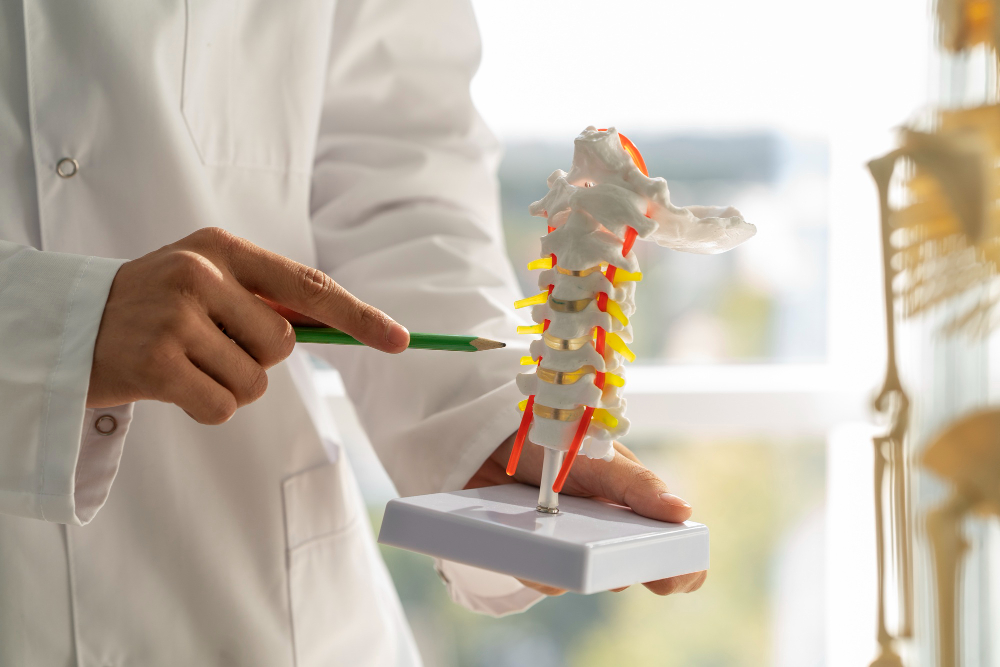
Understanding Scoliosis Scoliosis manifests as an abnormal lateral curvature of the spine, resembling an “S” or “C” shape. While some cases may not have any known cause, scoliosis can also result from congenital spine abnormalities, neuromuscular diseases, or traumatic injuries. The most common type, however, is adolescent idiopathic scoliosis, which tends to emerge during growth spurts before puberty. Symptoms Detecting scoliosis early is crucial for effective management. Common symptoms include uneven shoulder height, one shoulder blade appearing more prominent, an uneven waist, and a noticeable tilt in the torso. Back pain and fatigue may accompany these physical signs. Regular check-ups and awareness of these indicators are essential for prompt intervention. Diagnosis Diagnosing scoliosis involves a comprehensive examination, including a physical assessment and imaging tests. X-rays are commonly used to measure the degree of curvature and identify the specific type of scoliosis. Early detection enables healthcare professionals to implement suitable treatment plans, preventing further progression of the condition. Treatment Options The approach to scoliosis treatment varies based on factors such as the degree of curvature, the age of the individual, and the underlying cause. Treatment options may include Observation Mild cases of scoliosis may only require regular monitoring, especially if the curvature is not progressing rapidly. Bracing Braces are often recommended for adolescents with moderate scoliosis to prevent further curvature. The type and duration of bracing depend on the individual case. Physical Therapy Therapeutic exercises can help improve muscle strength and flexibility, aiding in the management of scoliosis and reducing associated pain. Surgery Surgical intervention is considered for severe cases or when the curvature continues to progress. Spinal fusion and instrumentation are common surgical procedures aimed at stabilizing and straightening the spine.

Scroll to Top