

March 2025

Uncategorized

Common Sports Injuries

Sports injuries can be a major setback for athletes and fitness enthusiasts. At Sri Naadi Hospital, where we specialize in orthopedic care, we see a wide range of sports-related injuries, many of which can be prevented with proper techniques and precautions. Whether you’re a professional athlete or a casual player, understanding common injuries and how to avoid them can help you stay active and pain-free.In this blog, we’ll discuss the most common sports injuries, their causes, and expert-approved strategies to prevent them. Sprains and Strains Sprains and strains are among the most frequent sports injuries. A sprain occurs when ligaments, the tissues connecting bones, are stretched or torn. Strains, on the other hand, affect muscles or tendons when they are overstretched. These injuries typically result from sudden movements, overexertion, or inadequate warm-up routines. Prevention tips :- To prevent them, it is essential to warm up before any physical activity, engage in muscle-strengthening exercises, and maintain flexibility through regular stretching. Choosing proper footwear also plays a significant role in reducing the risk of sprains and strains. Knee Injuries Knee injuries such as ACL tears, meniscus tears, and runner’s knee are common in high-impact sports that involve jumping, sudden stops, or quick direction changes. Weak thigh muscles, improper posture, and inadequate warm-ups contribute to these injuries. Prevention tips :- Strengthening the quadriceps, hamstrings, and core muscles can help stabilize the knee. Using correct techniques when landing or pivoting, avoiding overtraining, and wearing supportive gear can also prevent knee-related issues. Fractures (Broken Bones) Fractures occur when excessive force or impact causes a bone to break. Sports like basketball, football, and running increase the risk of fractures due to falls, collisions, or repetitive stress. Prevention tips :- Maintaining strong bones through proper nutrition, including adequate calcium and vitamin D intake, can help reduce fracture risk. Wearing protective gear such as helmets and pads, along with allowing proper rest between training sessions, can further minimize the chances of fractures. Shoulder Injuries Rotator cuff injuries and dislocations are common shoulder issues that arise due to repetitive overhead movements, sudden impacts, or weak shoulder muscles. Athletes engaged in sports like swimming, tennis, or weightlifting are more prone to these injuries. Prevention tips :- Strengthening the shoulder and upper back muscles, avoiding excessive overhead motions, and using proper techniques when throwing or lifting can significantly reduce the risk of shoulder injuries. Applying ice and resting the shoulder after intense activity can also prevent long-term damage. Shin Splints Shin splints cause pain along the shinbone and are commonly seen in runners and athletes who engage in high-impact activities. Running on hard surfaces, wearing improper footwear, and suddenly increasing exercise intensity can lead to this condition. Prevention tips :- To prevent shin splints, it is important to wear well-cushioned shoes, gradually increase training intensity, and include low-impact activities like swimming or cycling in the workout routine. Stretching and strengthening the calf muscles also help reduce strain on the shins. Tennis Elbow Tennis elbow, or lateral epicondylitis, is caused by repetitive arm movements that strain the elbow muscles and tendons. This condition is common among tennis and golf players, as well as individuals who frequently lift weights. Weak forearm muscles and poor gripping techniques contribute to the problem. Prevention tips :- Strengthening the forearm and wrist muscles, using proper grip techniques, and taking breaks between strenuous activities can prevent this injury. If elbow pain develops, applying ice and resting the affected area can aid recovery. General Injury Prevention Tips Preventing sports injuries involves more than just avoiding risky movements. Warming up and cooling down before and after activities prepares the body for exercise and aids in recovery. Maintaining proper form and technique reduces unnecessary strain on muscles and joints. Listening to your body is crucial—ignoring pain can lead to more severe injuries. Staying hydrated prevents muscle cramps and fatigue, while wearing appropriate sports gear offers added protection. When to Seek Medical Help Persistent pain, swelling, or restricted movement after an injury should not be ignored. Seeking medical attention at the right time can prevent minor issues from turning into serious conditions. At Sri Naadi Hospital, our orthopedic specialists provide expert diagnosis, treatment, and rehabilitation to help you recover quickly and return to your favourite activities. Stay Active, Stay Safe! An active lifestyle is key to good health, but injuries should not stand in the way of your fitness goals. By following preventive measures and seeking timely medical care, you can continue to enjoy sports safely. If you experience any discomfort or injury, trust Sri Naadi Hospital for expert orthopedic care. Contact us today for an appointment.
Uncategorized

First Aid: What to Do in Common Medical Emergencies

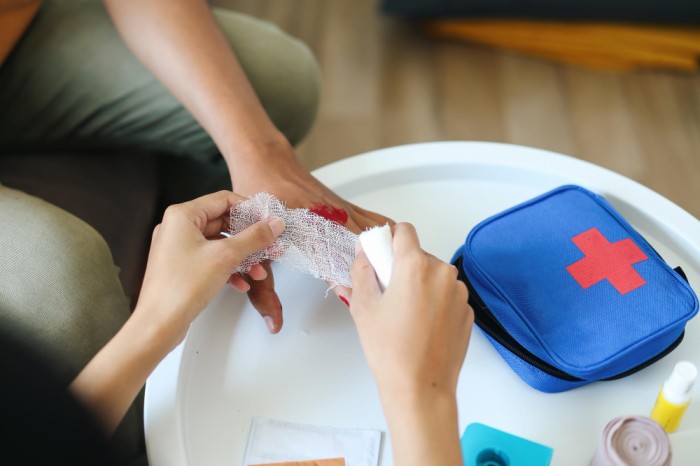
Medical emergencies can happen anywhere, anytime, and knowing basic first aid can make a significant difference in saving lives. At Sri Naadi Hospital, we believe that everyone should have a basic understanding of first aid to provide immediate care before professional help arrives. In this blog, we’ll guide you through essential first aid steps for common medical emergencies. Heart Attack A heart attack occurs when blood flow to the heart is blocked, often leading to chest pain, shortness of breath, and discomfort in the arms, neck, or jaw. If you suspect someone is having a heart attack, keep them calm and call for emergency medical help immediately. Loosen any tight clothing and encourage them to chew an aspirin (unless allergic) to help thin the blood. If they become unresponsive, perform CPR until medical professionals arrive. Stroke A stroke happens when blood supply to the brain is disrupted. Quick action is crucial to minimize brain damage. Use the FAST test to identify a stroke: Face drooping Arm weakness Speech difficulty Time to call emergency services Keep the person comfortable and do not give them anything to eat or drink. Seek immediate medical attention, as early treatment can prevent severe complications. Choking Choking occurs when an object blocks the airway, making it difficult to breathe. If someone is choking and unable to cough or speak, perform the Heimlich manoeuvreby standing behind them, placing your hands above their navel, and giving quick, upward thrusts until the object is expelled. Bleeding For minor cuts, clean the wound with water and apply pressure with a clean cloth to stop the bleeding. For severe bleeding, apply firm, direct pressure with a bandage or cloth and elevate the injured area if possible. Avoid removing embedded objects—leave that to medical professionals. Seek immediate medical care if the bleeding does not stop or if the wound is deep. Burns For minor burns, run cool water over the affected area for at least 10 minutes, then cover it with a clean, non-stick dressing. Avoid applying ice, butter, or toothpaste, as these can worsen the injury. For severe burns that cause blisters, charring, or significant pain, do not remove burned clothing and seek emergency medical help immediately. Fractures and Sprains If you suspect a broken bone, keep the injured limb still and avoid unnecessary movement. Apply an ice pack to reduce swelling and use a splint or support to stabilize the area. Do not attempt to realign a broken bone. For sprains, follow the RICE method—Rest, Ice, Compression, and Elevation—to minimize swelling and pain. Seek medical attention for fractures and severe sprains. Seizures During a seizure, help the person lie down on their side to prevent choking. Remove any nearby objects that could cause injury, but do not try to restrain them. Do not place anything in their mouth. Stay with them and call for medical help if the seizure lasts longer than five minutes, if they have difficulty breathing, or if it’s their first seizure. Unconsciousness & CPR If someone collapses and is unresponsive, check for breathing and a pulse. If they are not breathing, begin CPR by giving 30 chest compressions followed by two rescue breaths. Continue CPR until medical help arrives. Be Prepared, Save Lives Basic first aid knowledge can make a crucial difference in emergencies. Knowing what to do can prevent complications, reduce pain, and even save lives. At Sri Naadi Hospital, we encourage everyone to learn basic first aid skills and be prepared for any situation. In case of any medical emergency, seek professional help immediately. Being informed and acting quickly can make all the difference!

Dental

Why Regular Dental Checkups Matter

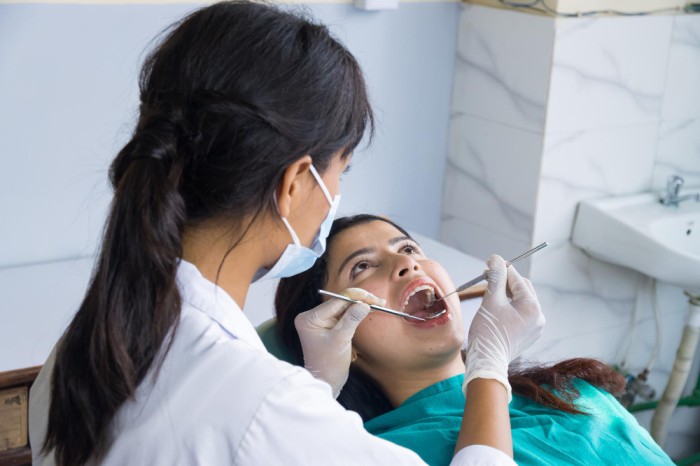
Many people think of dental checkups as just a way to keep their teeth clean and cavity-free. However, oral health is much more than a bright smile—it is deeply connected to overall well-being. At Sri Naadi Hospital, we emphasize the importance of regular dental checkups not only for maintaining strong teeth and gums but also for preventing serious health issues that can affect the entire body. Oral Health Promotes Overall Well-being The mouth is the gateway to the body. Poor oral hygiene can lead to infections that may spread to other parts of the body, increasing the risk of serious health conditions. Studies have shown that gum disease is linked to heart disease, diabetes, respiratory infections, and even pregnancy complications. By maintaining good oral hygiene and visiting the dentist regularly, you can prevent these risks and improve your overall health. The Link Between Oral Health & Heart Disease Research has found a strong connection between gum disease and heart disease. Inflammation caused by gum infections can contribute to the buildup of plaque in the arteries, increasing the risk of heart attacks and strokes. Bacteria from infected gums can enter the bloodstream and trigger inflammation in other parts of the body. Maintaining good oral hygiene and scheduling routine dental checkups can help reduce the risk of cardiovascular problems. Oral Health & Diabetes Management Diabetes and gum disease have a two-way relationship—diabetics are more prone to gum infections, and severe gum disease can make it harder to control blood sugar levels. People with diabetes should be especially vigilant about their oral health to prevent complications. Regular dental checkups help manage gum disease, which in turn can improve blood sugar control and overall diabetes management. The Impact on Respiratory Health Poor oral hygiene can also contribute to respiratory infections. Bacteria from infected teeth and gums can be inhaled into the lungs, leading to pneumonia or worsening existing lung conditions like chronic obstructive pulmonary disease (COPD). This is particularly concerning for older adults and those with weakened immune systems. Regular dental cleanings and checkups can help prevent these complications by reducing harmful bacteria in the mouth. Maintaining Strong Teeth & Gums as You Age As we age, maintaining oral health becomes even more important. Tooth loss, gum recession, and dry mouth (often caused by medications) are common issues that can affect nutrition, digestion, and overall well-being. Regular dental visits ensure that these issues are addressed, helping individuals maintain strong teeth and a healthy mouth throughout their lives. Prioritize Regular Dental Check-ups Regular dental checkups help in early detection and prevention of oral problems before they become serious. Many dental issues, such as cavities, gum disease, and oral infections, develop gradually and may not cause pain or noticeable symptoms in the early stages. A routine dental visit allows the dentist to identify these issues early, making treatment easier, less expensive, and more effective. Early detection of oral cancer, which can be life-threatening if not diagnosed in time, is another critical reason why regular checkups are essential.At Sri Naadi Hospital, we encourage everyone to prioritize their dental health and schedule regular checkups. A simple visit to the dentist can go a long way in protecting both your smile and your health.

Scroll to Top